DOCUMENTARY FILM & TV PRODUCTIONS
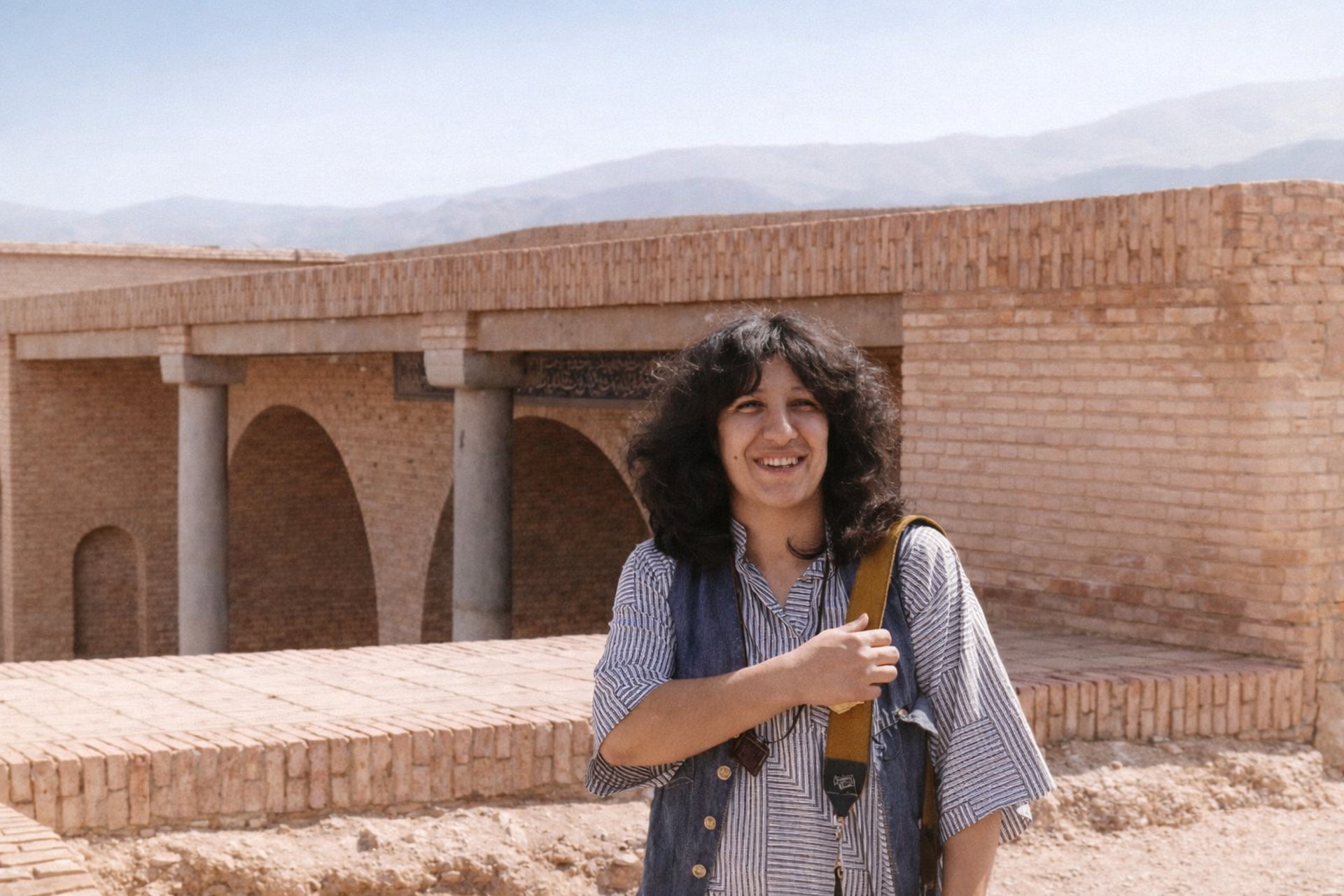
Elli Safari is a visual storyteller with a deep compassion for humanity. Her lens captures the extraordinary endeavors of men and women who in their own way are trying to make our world a better place. Through films and photography, Elli focuses on beauty in unlikely places, reflections of the light, and the space in between things, inviting for contemplation.
Elli is available for global collaborations and enjoys sharing her extensive experience as an Iranian filmmaker.
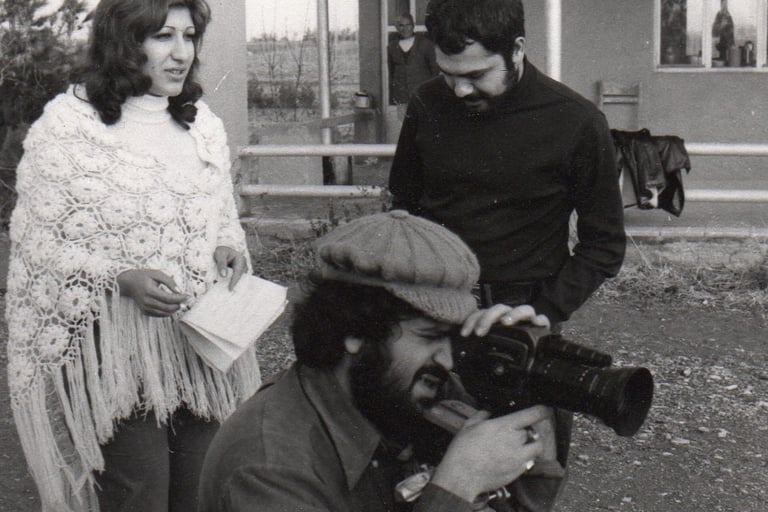
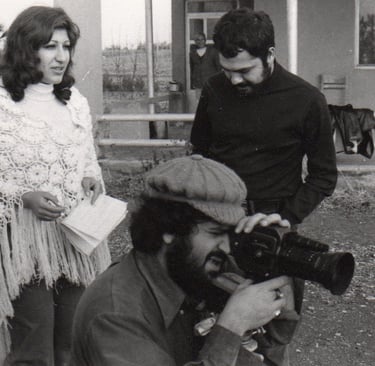
Elli Safari is one of the first female documentary filmmakers of Iran
Selection of works
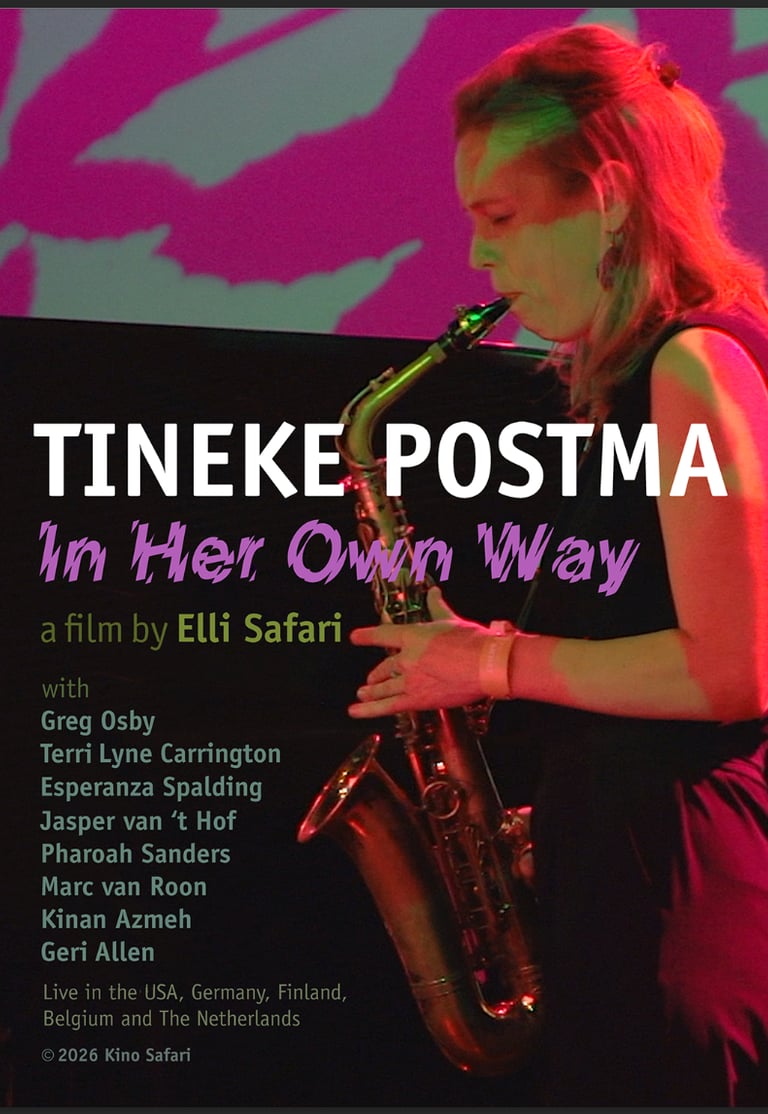
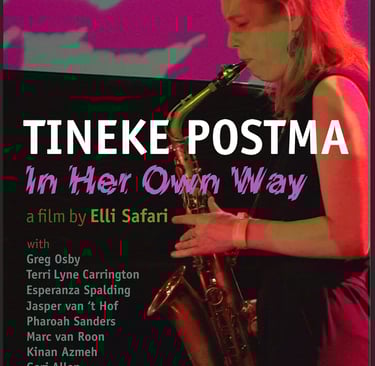
TINEKE POSTMA
IN HER OWN WAY
Producer, director & editor: Elli Safari
A music film following the renowned Dutch female jazz musician Tineke Postma throughout a decade
2026
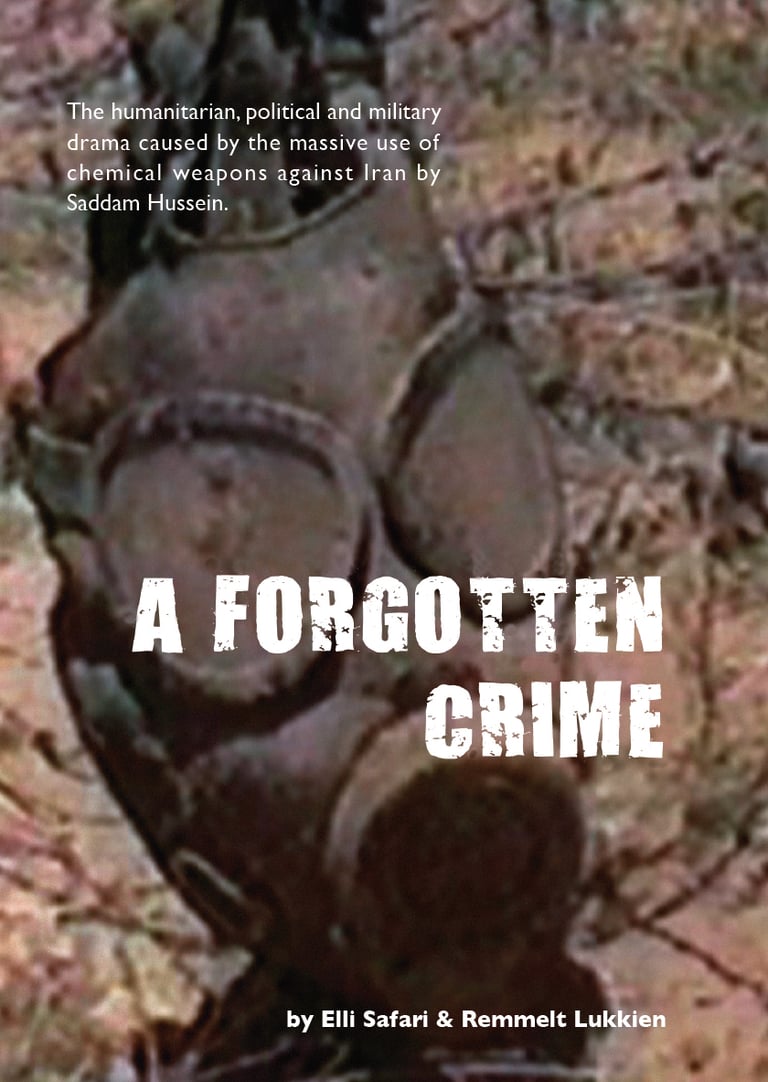
A FORGOTTEN CRIME
Co-producer, co-director, editor: Elli safari
The humanitarian, political and military drama caused by the massive use of chemical weapons
against Iran by Saddam Hussein, as supported by the West.
2013
2006
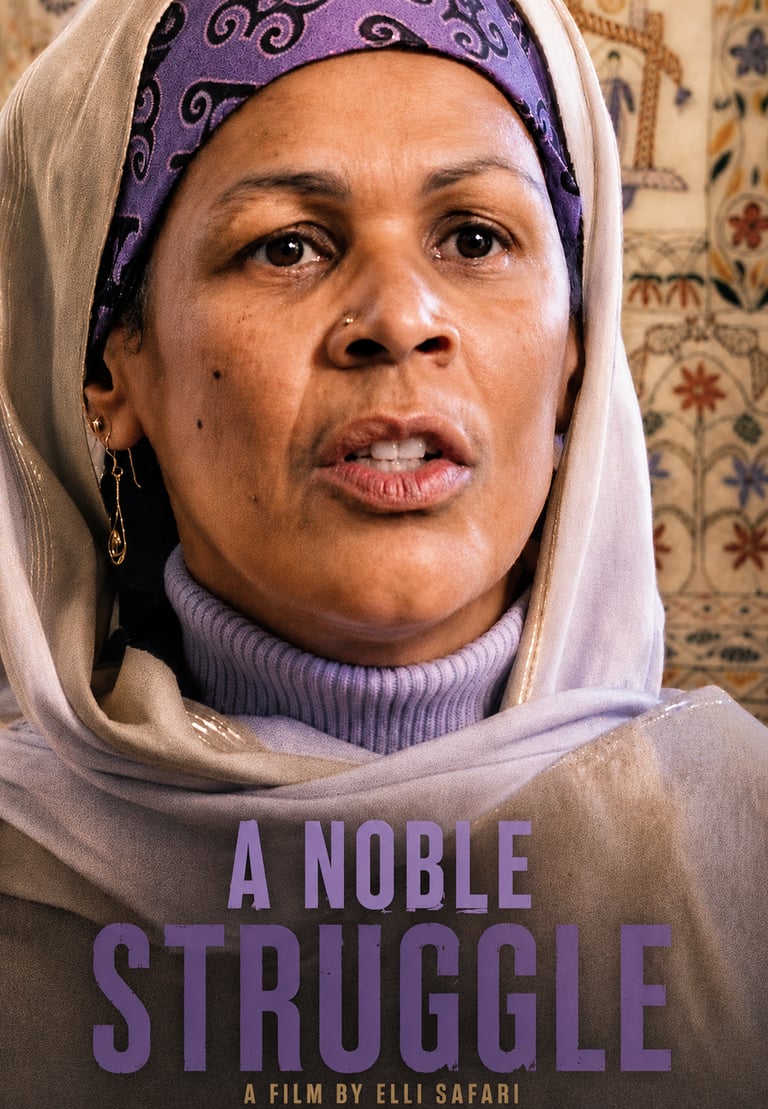
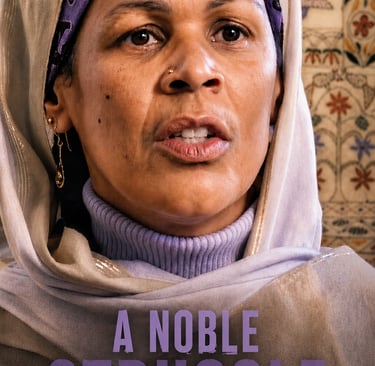
THE NOBLE STRUGGLE
Producer, director: Elli safari
A powerful portrait of the African-American Muslim woman who became the first female Imam, defying 1400 years of Islamic tradition. Her action caused global awareness of the struggle for women’s rights within Islam, leading to violence and death threats against her.
Deeply engaging, this film offers a rare insight into the connections between patriarchal Islam, women's rights and racial justice.
2002
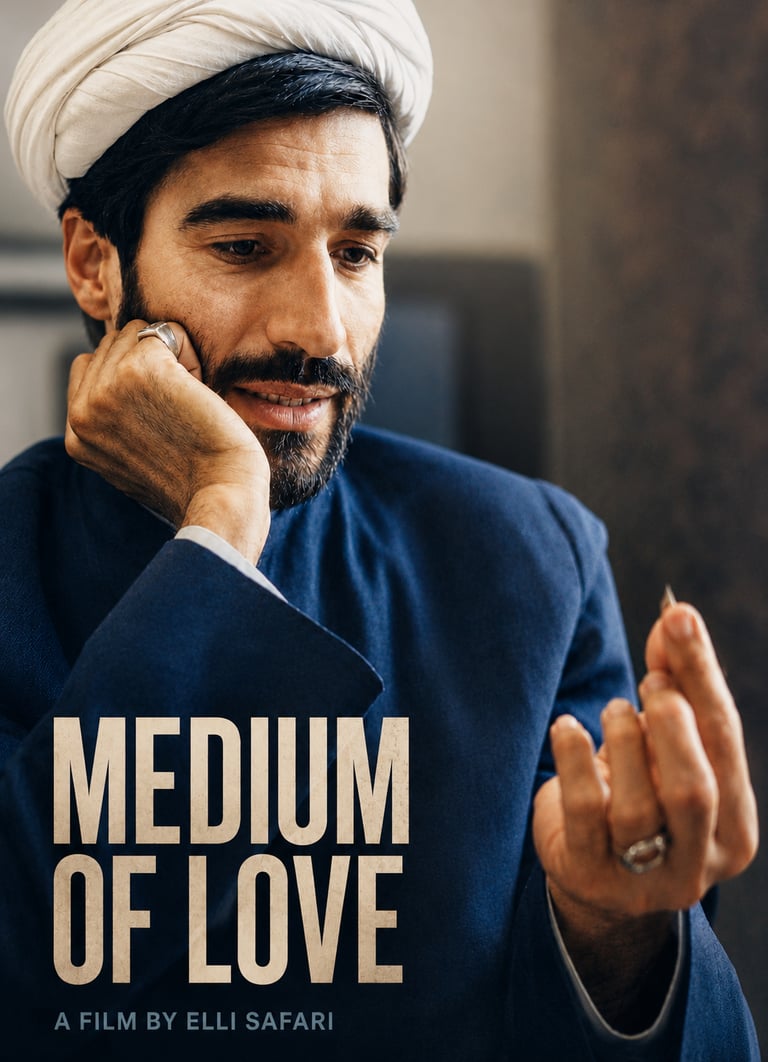
MEDIUM OF LOVE
Director, editor: Elli Safari
The story of Ali Afsahi, an Iranian cleric with a deep passion for cinema. The film follows his inner struggle between religious conviction and his love for film, revealing how art can stimulate liberation and self-exploration. At the same time, it reflects on the tensions between tradition and modernity in the Islamic Republic of Iran.
The Free Cinema
سینمای آزاد
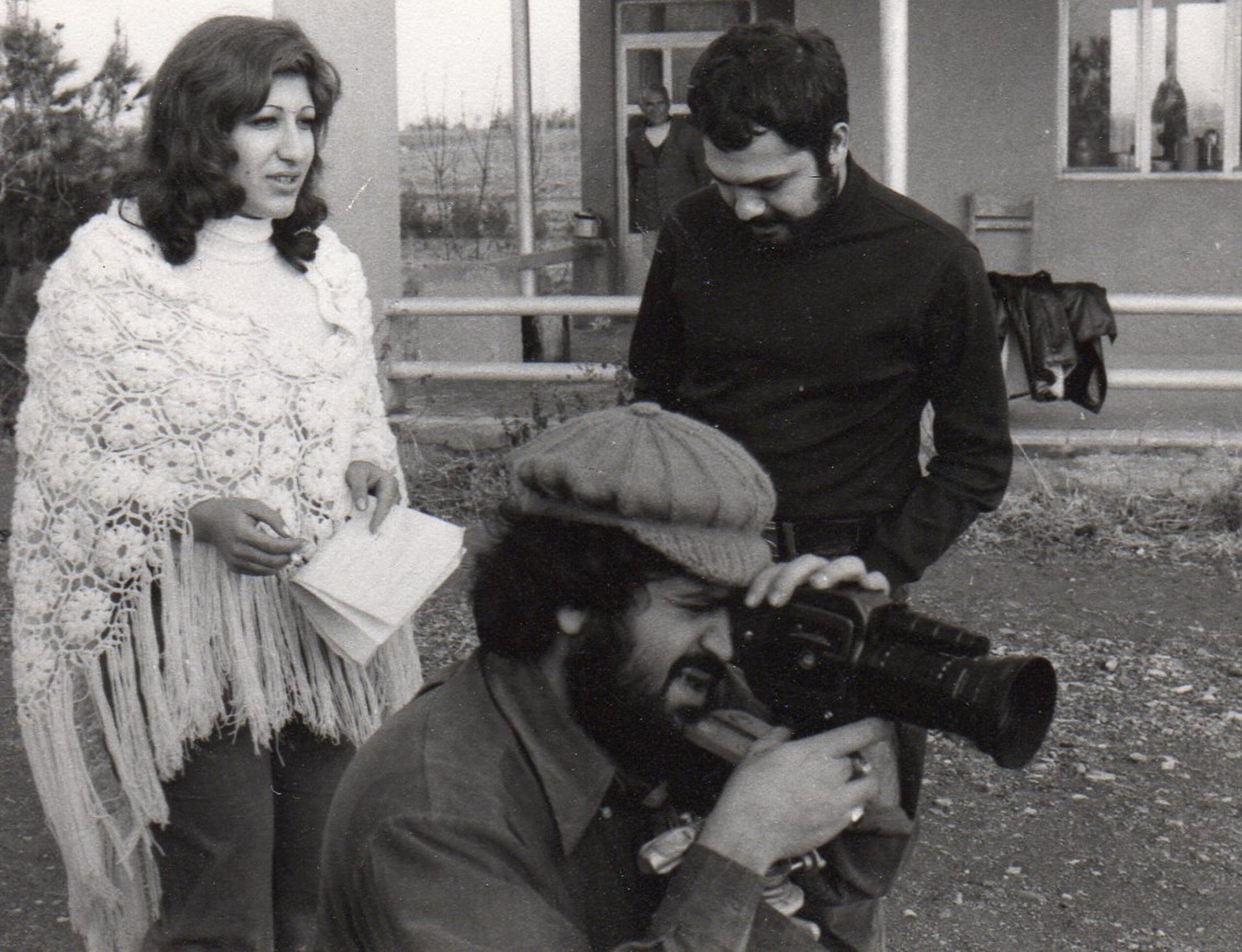
Elli Safari joined the movement of سینمای آزاد (Cinema-ye Azad - Free Cinema) in Iran in the early 1970s. Free Cinema was a pioneering network of independent filmmakers working outside the commercial film industry. Rooted in experimentation, collective learning and social engagement, Cinema-ye Azad provided an alternative space for a new generation of filmmakers to explore personal and critical forms of expression. This formative context shaped the foundations of Elli's work, grounding her practice in independence, inquiry and a sustained commitment to socially engaged cinema.